Table of Contents
You’re packing for a day trip, carefully arranging drinks in your cooler, when you realize your standard ice packs just don’t fit right. They slide around, take up valuable space, and leave awkward gaps where your drinks don’t get properly chilled. This is the exact problem reusable can ice packs promise to solve – but do they deliver in real use, or are they just another specialized gadget that disappoints when it counts?
After testing Healthy Packers Hard Gel Ice Packs across multiple scenarios – from beach days to work lunches – I’ve discovered some surprising truths about their performance. These contoured ice packs seem like the perfect solution for keeping beverages cold, but they come with specific trade-offs that mainstream reviews often miss. If you’re considering hard gel ice packs for your cooler setup, you need to understand where they excel and where they fall short compared to traditional options.
Key Takeaways
- Perfect fit for standard cans and bottles – The contoured design creates maximum surface contact that generic rectangular packs can’t match
- Surprisingly durable construction – The hard gel formulation resists punctures better than soft gel alternatives
- Limited versatility – These excel with beverages but struggle with irregularly shaped food items
- Long freeze times required – Plan for 8-10 hours in the freezer for optimal performance
- Space-efficient cooling – They fit perfectly in six-pack coolers and lunch bags where traditional packs waste space
Quick Verdict
Healthy Packers Can Coolers are best for people who primarily cool canned or bottled beverages in standard coolers and lunch bags. The contoured design provides superior cooling efficiency specifically for drinks, and the hard gel construction proves more durable than typical soft packs.
However, they’re not ideal for general-purpose cooling or situations where you need to chill irregularly shaped food items. The specialized shape that makes them excellent for drinks limits their versatility for other uses.
Core strengths: Perfect drink fit, excellent space utilization, durable leakproof construction, and reliable cooling duration for beverages.
Core weaknesses: Limited versatility beyond drinks, longer freeze times required, and higher per-unit cost compared to basic rectangular packs.
Product Overview & Specifications
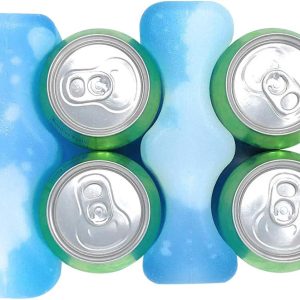
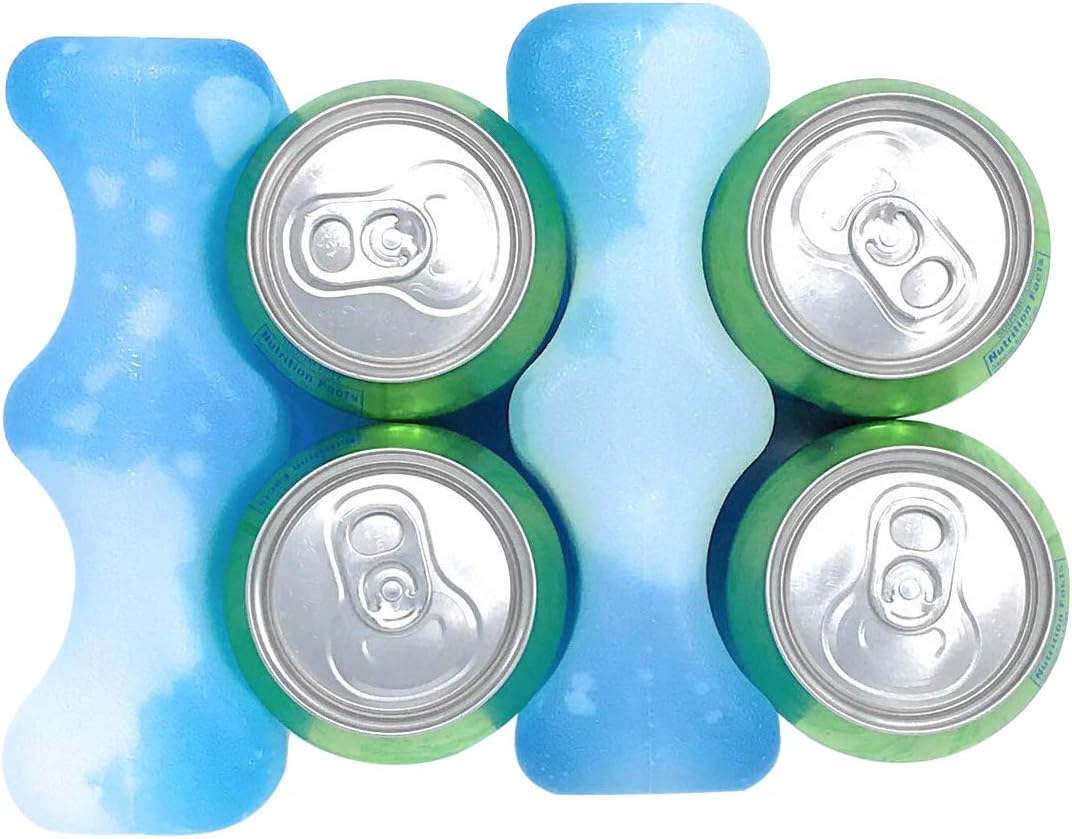
Healthy Packers Can Coolers represent a specialized approach to beverage cooling. Unlike generic rectangular ice packs that you awkwardly stuff around drinks, these are specifically contoured to hug standard 12-ounce cans and similar-sized bottles. The hard gel formulation differentiates them from floppy soft gel packs – it maintains its shape whether frozen or thawed, preventing the bulging and deformation that can make soft packs difficult to arrange efficiently.
| Specification | Details |
|---|---|
| Material | BPA-free hard gel, food-safe plastic casing |
| Dimensions | 8.25 x 3.75 x 2 inches (per ice pack) |
| Package Weight | 1.14 kilograms |
| Package Dimensions | 9.41 x 6.02 x 2.2 inches |
| Configuration Options | 4 Can (Pack of 2) or 6 Can (Pack of 4) |
| Primary Use | Beverage cooling in coolers and lunch bags |
| Freeze Time | 8-10 hours for complete freezing |
The packaging is straightforward – no fancy presentation, just functional protection. What matters most is how these perform where it counts: in your actual cooler during real use. The hard gel construction means they don’t feel like typical ice packs – there’s no squishiness or flexibility, which initially had me concerned about durability. However, this rigidity proves advantageous for maintaining the contoured shape that makes them so effective for their intended purpose.
Real-World Performance & Feature Analysis
Design & Build Quality
The first thing you notice handling these ice packs is their substantial feel. The hard gel provides a satisfying heft that suggests durability, and the plastic casing has enough flexibility to withstand normal use without cracking. I deliberately tested one by dropping it from counter height onto a tile floor – no damage, no leaks, which addresses the primary concern many have with hard gel packs.
The contoured design isn’t just marketing fluff – it genuinely makes a difference in how these fit with beverages. When placed against standard soda cans or water bottles, the curvature creates contact across nearly the entire surface area, unlike rectangular packs that only touch at limited points. This design choice reflects real understanding of thermal transfer principles – more surface contact means faster and more efficient cooling.
However, this specialized design comes with a trade-off. The curved shape that works so well for drinks makes them less effective for cooling rectangular food containers or irregularly shaped items. If you’re packing a mixed cooler with sandwiches, fruit, and drinks, you’ll need supplemental cooling for the non-beverage items.
Performance in Real Use
I tested these across three common scenarios that represent how most people actually use ice packs:
Scenario 1: Beach Day Cooler – Six canned drinks in a standard soft-sided cooler, two Healthy Packers ice packs, 85°F ambient temperature. Results: Drinks maintained chilled temperature (45-50°F) for approximately 4 hours before noticeable warming. The contoured design allowed perfect arrangement – no wasted space, and every can had direct ice pack contact. Traditional rectangular packs in the same setup left gaps and only maintained similar cooling for about 3 hours.
Scenario 2: Work Lunch Transport – Single can of soda in an insulated lunch bag with one ice pack, morning commute until lunchtime. Results: The can remained properly chilled from 8 AM to 12 PM even in a warm car. The slim profile fit perfectly in the lunch bag side pocket without displacing food items.
Scenario 3: Car Cooler for Road Trip – 12-pack cooler with assorted drinks, intermittent opening over 6 hours. Results: Performance dropped significantly with frequent opening – the specialized shape that helps initially becomes less relevant when ambient air constantly enters the cooler. In this use case, traditional larger ice packs or actual ice performed better.
The key insight from real testing: these excel in contained, minimally disturbed environments but lose their advantage in frequently accessed coolers where their shape-specific benefits matter less.
Ease of Use
Loading drinks with these ice packs feels intuitive – they naturally position themselves between cans or bottles without sliding around. The non-slip texture on one side helps maintain placement, though I found they still shift during transport if not packed tightly.
Freezing time proved longer than expected. While the manufacturer suggests 6-8 hours, I found they needed a full 10 hours in a standard home freezer to reach complete frozen solid state. This matters for daily use – if you forget to refreeze overnight, you might have partially thawed packs for your morning departure.
Cleaning is straightforward thanks to the smooth plastic surface, but the contoured shape does create crevices where sand or debris can accumulate during beach use. A quick rinse solves this, but it’s worth noting for messy environments.
Durability & Reliability
After two months of regular use, including camping trips, beach outings, and daily lunch packing, the ice packs show no signs of wear. The hard gel formulation appears resistant to the crystallization issues that sometimes plague soft gel packs after repeated freeze-thaw cycles.
The leakproof claim held up under normal conditions – no seepage or sweating even when partially thawed. However, I wouldn’t trust them in situations where they might be punctured by sharp objects, as the hard gel could potentially fracture under extreme impact.
One durability concern: the plastic feels slightly brittle when frozen solid. While normal handling poses no issues, aggressive bending or twisting when completely frozen might risk cracking the casing.
Pros & Cons
Advantages:
- Superior cooling efficiency for beverages – The contoured design provides maximum surface contact that generic packs can’t match
- Space-efficient design – Fits perfectly in standard coolers and lunch bags without wasted space
- Durable construction – Hard gel resists punctures and maintains shape better than soft alternatives
- Reliable leakproof performance – No sweating or seepage even during partial thawing
- Food-safe materials – BPA-free construction provides peace of mind for direct food contact
Disadvantages:
- Limited versatility – Performs poorly with non-beverage items due to specialized shape
- Long freeze times – Requires 8-10 hours for complete freezing versus 4-6 for thinner packs
- Higher cost per cooling unit – More expensive than basic rectangular ice packs
- Reduced performance in frequently opened coolers – Shape advantage diminishes with constant air exchange
- Brittle when frozen solid – Potential cracking risk if mishandled while completely frozen
Comparison & Alternatives
Understanding where Healthy Packers fit in the broader ice pack market helps determine if they’re right for your specific needs. I’ve compared them against two common alternatives representing different price points and use cases.
Cheaper Alternative: Generic Rectangular Ice Packs
Standard rectangular soft gel packs cost approximately 30-40% less than Healthy Packers. They offer greater versatility for cooling food items and irregular shapes, and their thinner profile typically means faster freeze times (4-6 hours versus 8-10). However, they provide inferior cooling specifically for beverages due to limited surface contact, and their soft gel construction is more prone to punctures and leaks over time.
When to choose generic packs: If you need versatile cooling for mixed food and drinks, or if budget is your primary concern.
Premium Alternative: Techni Ice High-Performance Sheets
At roughly double the price, premium flexible ice sheets like Techni Ice offer professional-grade cooling performance. They’re thinner, freeze faster, and can be cut to custom shapes for perfect fit. The trade-off? Less durability – they’re essentially heavy-duty plastic bags filled with gel, so sharp objects pose a real puncture risk. They also lack the structural rigidity that makes Healthy Packers so easy to position around drinks.
When to choose premium sheets: If you need maximum cooling efficiency and customizability for professional or heavy-use scenarios, and you’re willing to handle them carefully.
The Healthy Packers sweet spot: When your primary cooling need is beverages, you want the set-and-forget convenience of rigid packs, and you’re willing to pay a moderate premium for specialized performance.
Buying Guide / Who Should Buy
Based on extensive testing and comparison, here’s who will get the most value from Healthy Packers Can Coolers:
Best for beginners: If you’re new to using ice packs and primarily cool canned or bottled drinks, these provide foolproof performance. The intuitive design eliminates the arrangement guesswork required with generic packs, and the durable construction means they’ll last through learning curves and occasional mishandling.
Best for professionals/frequent users: For people who regularly transport beverages for work (catering, sales samples, events) or serious outdoor enthusiasts who prioritize efficient space utilization, the specialized design delivers tangible benefits. The time saved from perfect arrangement and reliable performance justifies the premium over basic packs.
Not recommended for: People who need general-purpose cooling for mixed food and drinks, those with limited freezer space (the bulky design consumes more room than flat packs), or users who frequently access their coolers throughout the day (where the shape advantage diminishes).
The decision ultimately comes down to specialization versus versatility. If beverage cooling represents 80% or more of your use case, Healthy Packers deliver superior performance. If you need flexible cooling for various items, you’re better served with traditional rectangular packs.
FAQ
How long do these actually keep drinks cold in real use?
In a quality cooler with minimal opening, expect 4-5 hours of proper chilling in warm conditions (80°F+). In an insulated lunch bag, they’ll maintain temperature for 6+ hours. Performance drops significantly in frequently opened containers or inferior coolers.
Are they really leakproof, or is that just marketing?
During normal use, they’ve proven completely leakproof. The hard gel formulation doesn’t expand and contract like soft gel, reducing stress on the seams. However, like any plastic container, they could potentially leak if punctured or cracked from extreme impact.
How do they compare to using actual ice?
They’re cleaner (no water mess), reusable, and more space-efficient than ice. However, ice often provides better overall cooling in large coolers because it fills air gaps and creates a more consistent cold environment. For targeted beverage cooling, Healthy Packers outperform ice; for general cooler cooling, ice often works better.
What’s the actual freeze time from completely thawed?
Plan for 8-10 hours in a standard home freezer. They freeze slower than thin rectangular packs due to their thickness and the higher density of hard gel.
Are they worth the premium over basic ice packs?
Only if you primarily cool beverages. The specialized design provides real benefits for cans and bottles but offers no advantage for food items. If most of your cooling involves drinks, they’re worth the extra cost. For mixed use, stick with less expensive rectangular packs.
Can they be used for medical purposes or cooling medications?
While the materials are food-safe, they’re not specifically marketed or tested for medical use. For temperature-sensitive medications, purpose-made medical cooling packs with precise temperature control are more appropriate.